
Play for the World: Disability Inclusion
07 Nov, 2025
Play for the World: Disability Inclusion
Disability inclusion is about ensuring that every person, regardless of ability, has equal access to opportunities, spaces, and experiences. When communities embrace inclusive practices, people with disabilities can participate fully, express their talents, and contribute in ways that uplift everyone. Inclusion transforms environments into places where dignity, respect, and belonging are the norm.
Humans flourish when they feel valued and connected. Disability inclusion supports that by removing barriers, encouraging participation, and designing systems that work for all. It’s about creating environments where differences aren’t obstacles but strengths that enrich the entire community.
The push for inclusion has evolved over decades, from early advocacy efforts to today’s focus on universal design and accessibility. Even as technology and society advance, the core principle stays the same: everyone deserves the chance to play, learn, work, and thrive. Effective inclusion requires awareness, collaboration, and a commitment to creating equitable spaces for all.
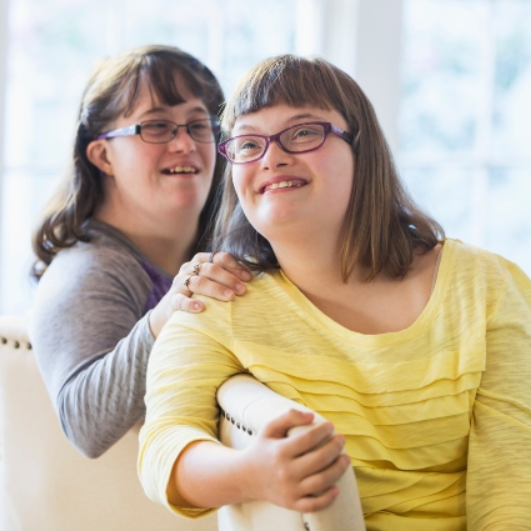
Inclusion begins with understanding the diverse needs of individuals. This includes designing physical spaces that are accessible, offering supportive programs, and fostering environments where people can show up without fear or limitation. These efforts create a sense of safety and empowerment that supports long-term well-being.
At its heart, disability inclusion is about connection. When people feel seen and supported, confidence grows, opportunities expand, and communities become more vibrant. Inclusive spaces help build relationships and strengthen community ties.
Modern inclusion practices blend universal design, accessibility standards, and community engagement. This combination ensures that environments are welcoming and adaptable for people of all abilities. When communities invest in disability inclusion, they build a world where everyone can participate fully and meaningfully.
-
Time:
8:00 am to 12:30 pm
-
Date:
11 Sep, 2025
-
Category:
HealthMedical
-
Location:
Dr NW, Suite 1